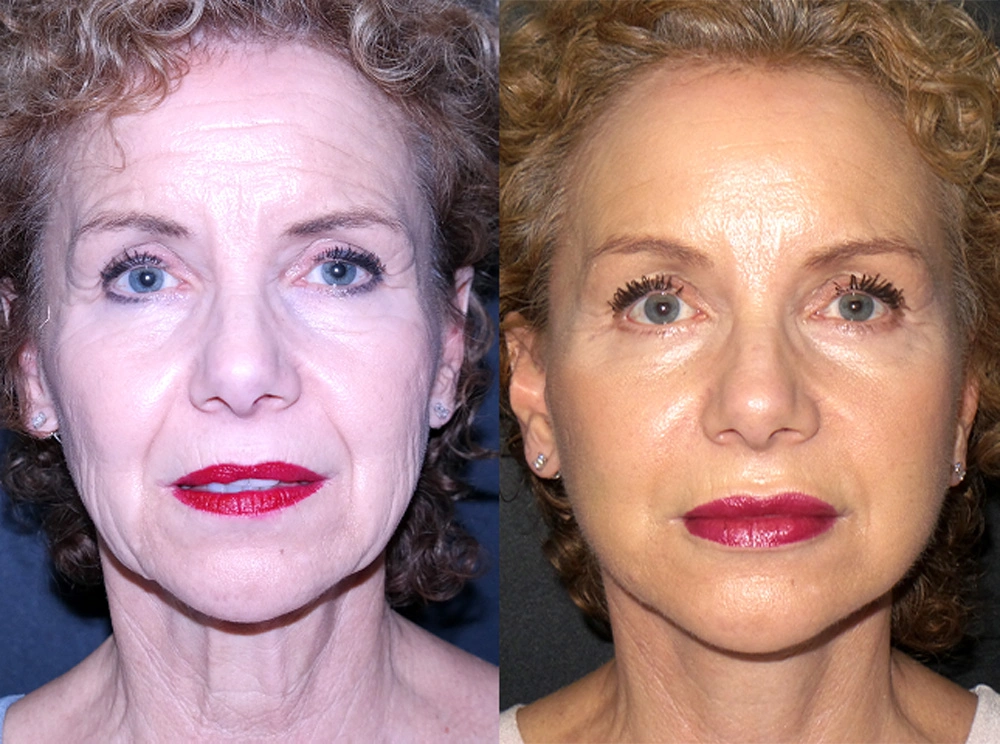
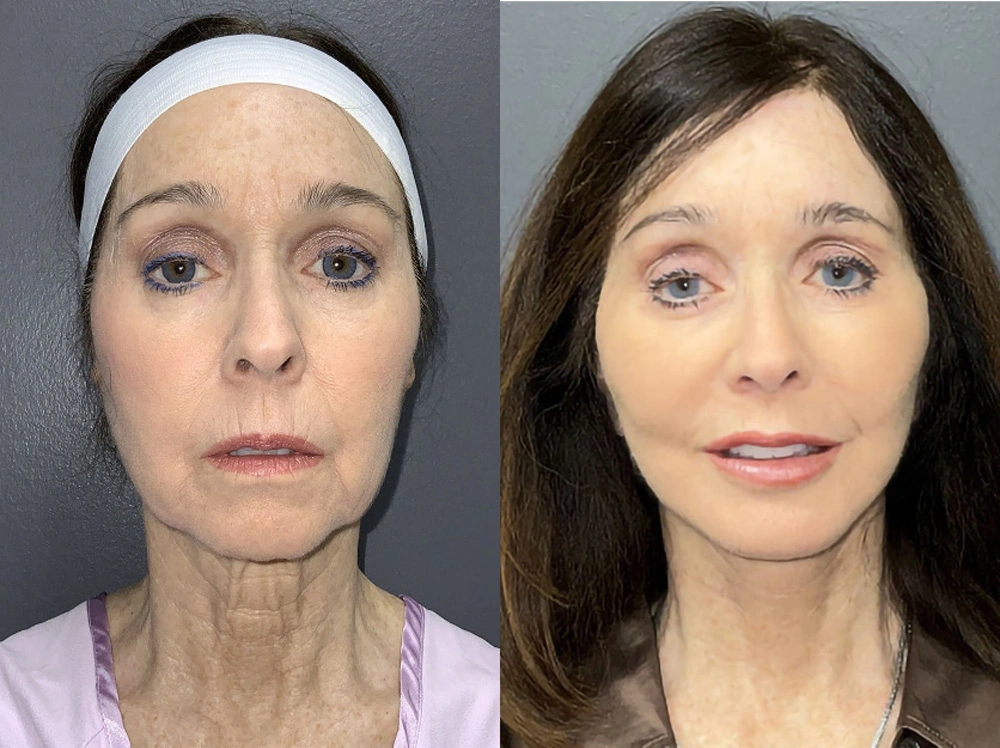
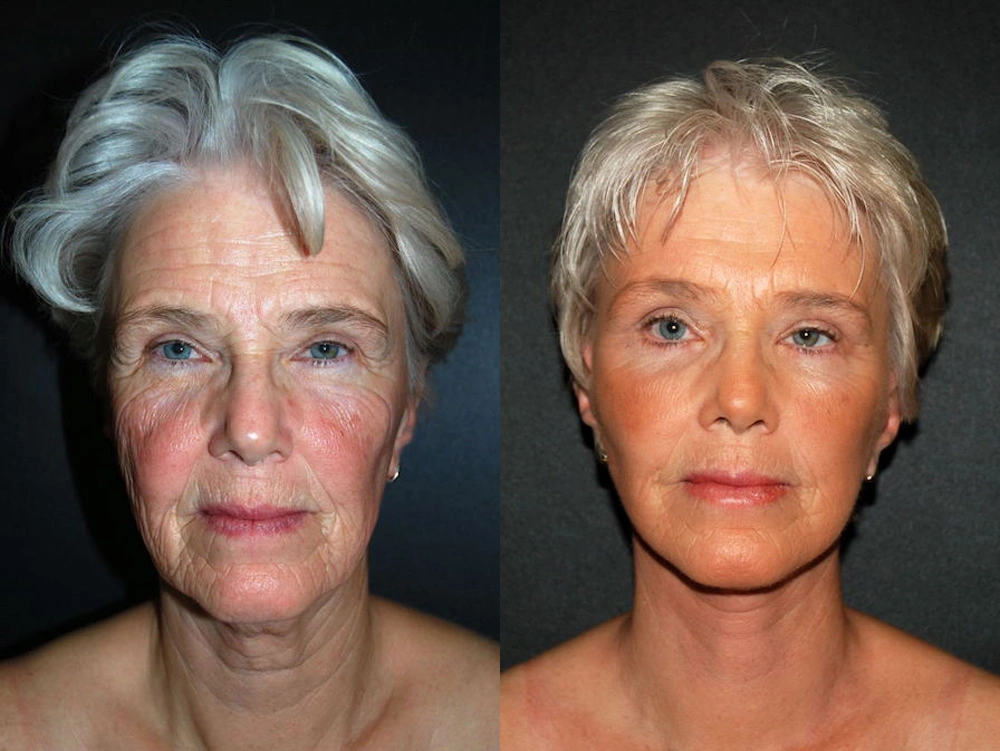
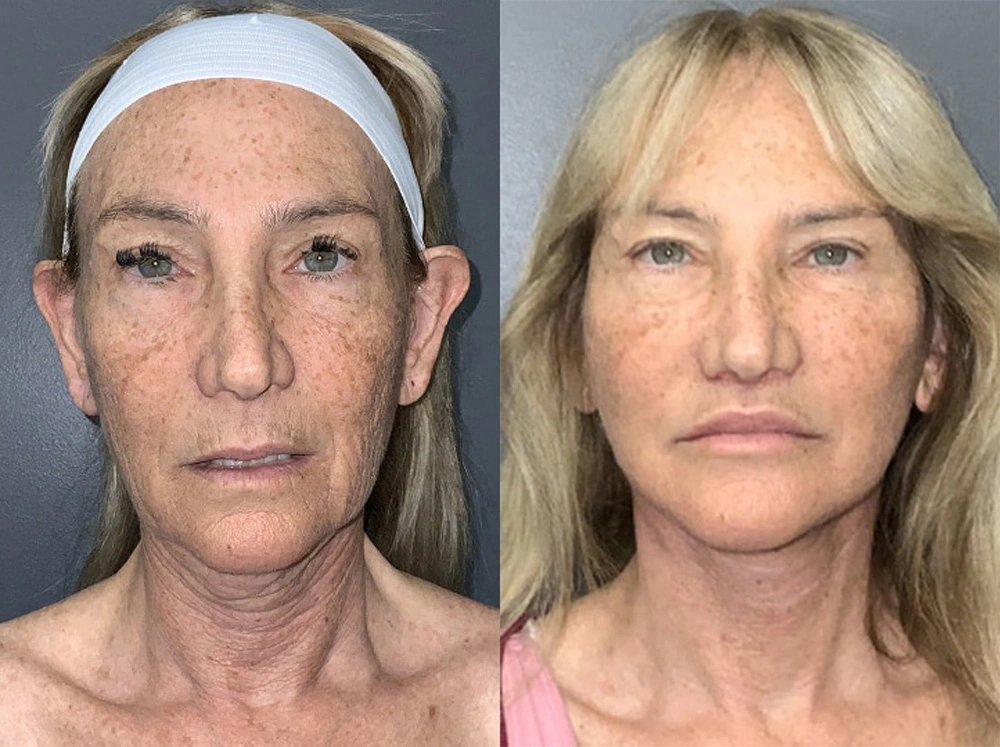
Facelift surgery is usually performed on an outpatient basis under general anesthesia. In most cases, Dr. Bayati will make an incision just above the hairline, following from the temples to behind the earlobe. This surgical process involves a series of carefully planned steps, utilizing advanced techniques and anesthesia to enhance patient comfort and minimize visible scarring. Precise incision placement and suturing techniques are used to minimize scarring, making any residual scarring virtually unnoticeable, as the hair well conceals it.
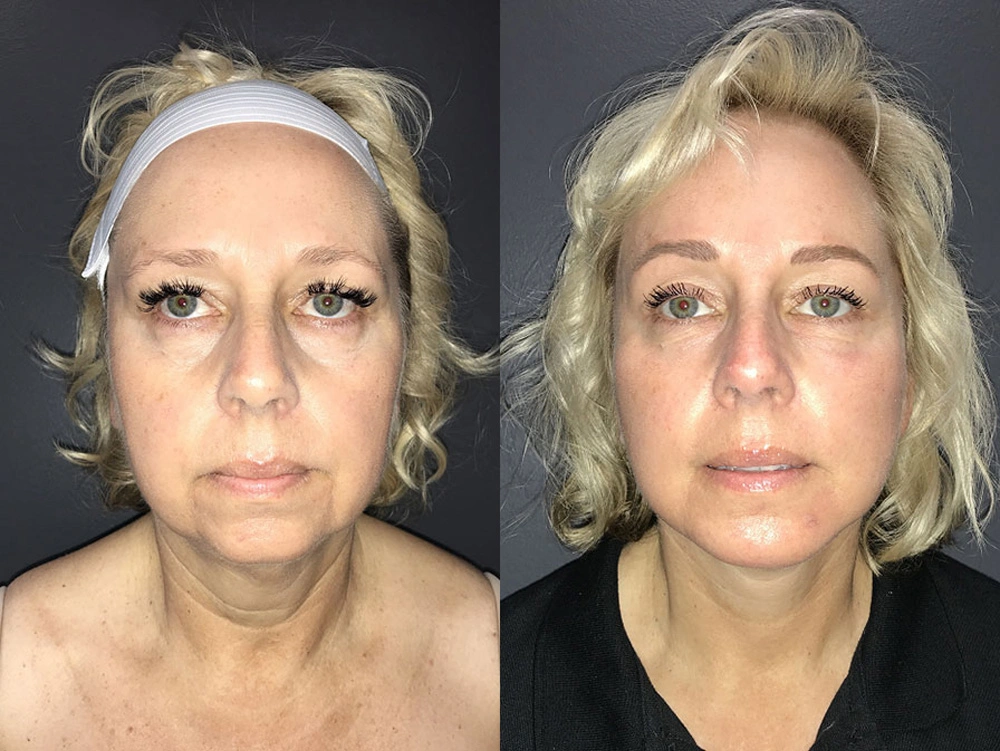
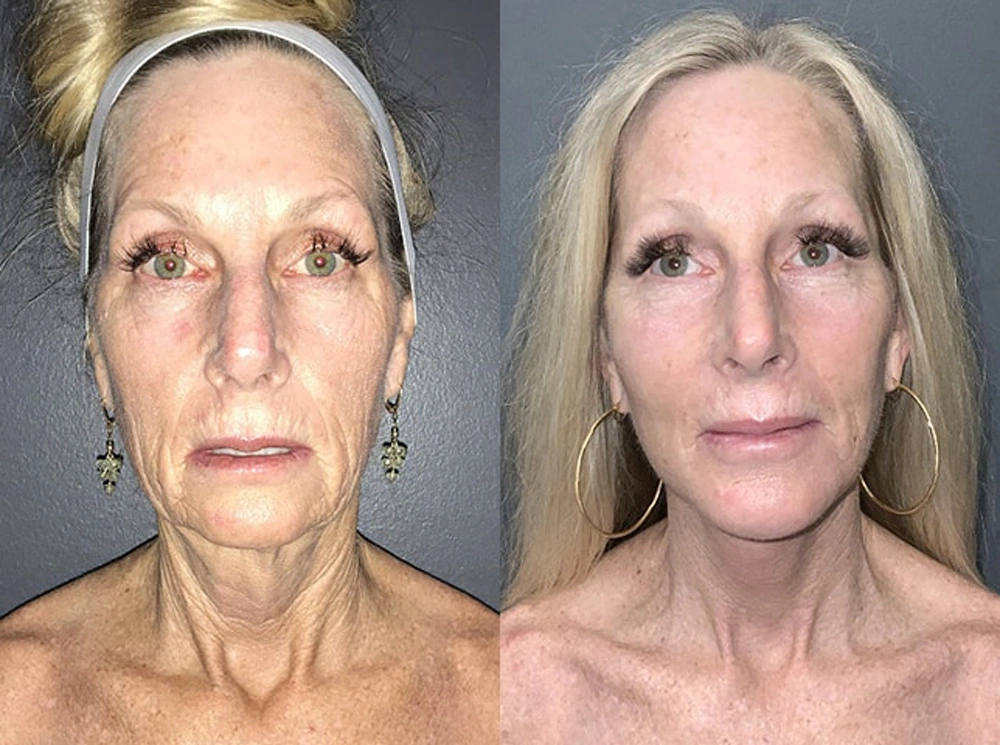
If necessary, an incision will also be made under the chin. During the surgical procedure, Dr. Bayati will carefully remove excess skin, address excess fat by removing or repositioning it to improve facial contours, tighten underlying facial muscles and deeper tissues, and redrape the remaining skin for a smoother appearance.
Newer techniques in facelift surgery address deeper facial structures, including facial tissue, underlying facial muscles, and the SMAS layer, as well as the neck musculature, to enhance the longevity and natural appearance of the results. Addressing these deeper tissues, in addition to the skin, can help a facelift last 15 years. The sagging of the cheek tissue, jowls, and neck cannot be addressed by just pulling the skin.
Surgeons in Newport Beach utilize specialized techniques, including the Deep Plane Facelift, Mini Facelift, SMAS Facelift, LiteLift®, and various non-surgical alternatives, to tailor the procedure to each patient’s needs.
Skin is like a rubber band, and it will return to its original shape within a year if the deeper structures are not addressed. This is why some of those quick-recovery “lunchtime” procedures do not yield lasting results.
With Dr. Bayati’s experience and careful attention to detail, the effects of facelift surgery should last for quite some time, as long as patients take care of their skin and protect it from the sun as much as possible. Although rare, risks and complications of facelift surgery include swelling, bruising, and temporary numbness. Recovery typically involves 2-4 weeks of downtime, during which swelling subsides, and most patients return to normal activities in 7-14 days, with full results continuing to improve over several months.