Photo Gallery
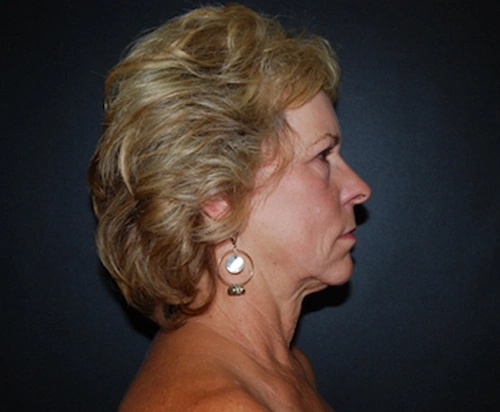
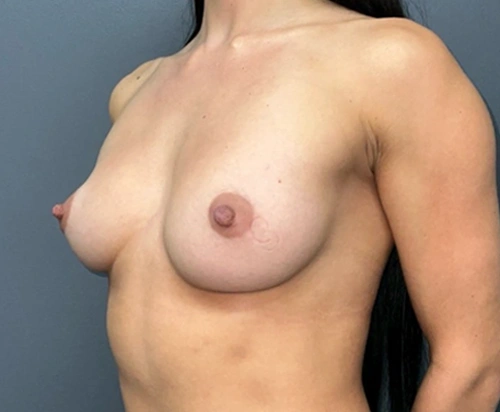
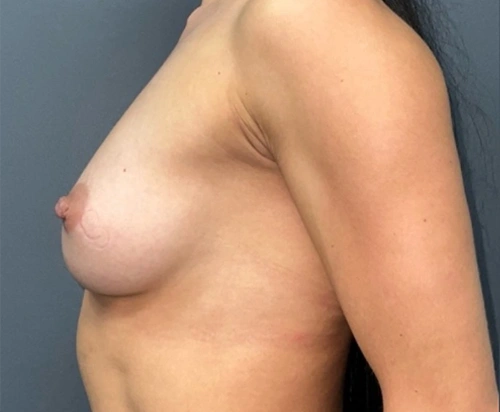
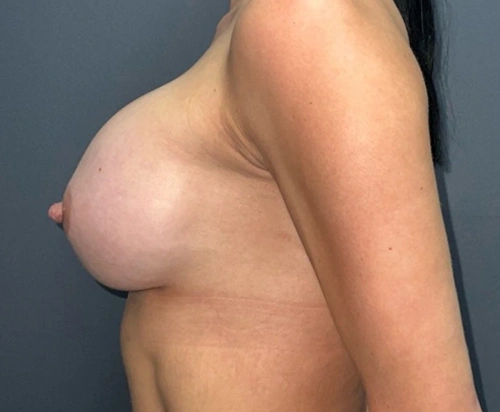
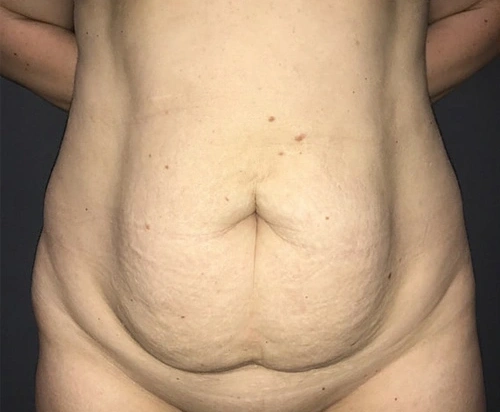
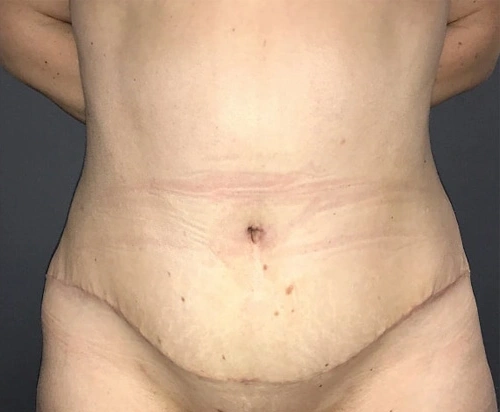
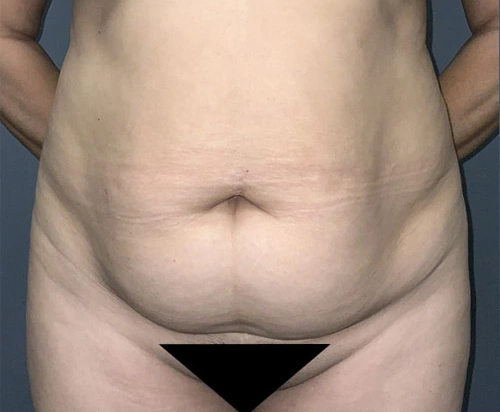
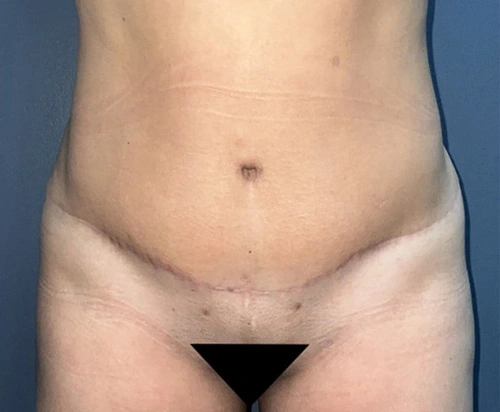
View Before & Afters
If you’re wondering whether you have gynecomastia, you’re not alone. Many men notice changes in their chest appearance that may look like breast tissue and question what’s causing it. This condition can impact confidence and even cause discomfort. At Plastic Surgery Boutique in Newport Beach, Dr. Semira Bayati helps men accurately diagnose and treat gynecomastia using personalized, expert care.
Gynecomastia is the development of excess breast tissue in males. It’s different from fat deposits that may appear after weight gain. This condition can occur at any age but is most common during puberty, middle age, and older adulthood.
True gynecomastia results from a hormonal imbalance, typically when estrogen levels are relatively high compared to testosterone. It’s not unusual, and for many men, it’s treatable.
It can be difficult to tell whether your chest changes are due to gynecomastia or fat. Here are signs that may indicate you have gynecomastia:
In contrast, fat from weight gain tends to feel soft and spread evenly across the chest. Gynecomastia has a more defined, often centralized shape and can feel sore.
Several factors can lead to gynecomastia. In some cases, the cause is temporary or reversible. However, persistent cases often need medical evaluation and may benefit from treatment.
Common causes include:
Dr. Bayati often begins with a detailed medical review to determine the underlying cause before recommending a treatment approach.
Men who carry excess weight may develop fatty deposits in the chest that resemble gynecomastia. This condition is referred to as pseudogynecomastia. It’s not caused by hormone imbalance but by excess fat.
Here’s how to help differentiate between the two:
If you’re unsure, the best way to confirm whether you have gynecomastia is through a consultation with a board-certified plastic surgeon.
If you’re experiencing emotional or physical discomfort from changes in your chest, it’s time to speak with a professional. You don’t need to wait for symptoms to worsen. Early evaluation can make a significant difference. However, puberty can cause temporary gynecomastia due to hormone fluctuations. As a rule, we wait 9-12 months prior to addressing this problem in teenage boys 16 years of age and above. A thorough hormonal workup is done prior to any surgery in a teenager who suffers from gynecomastia, in order to rule out all other causes.
Consider booking a consultation if:
Dr. Bayati’s experience and understanding of male body contouring help patients feel heard, supported, and confident in their care plan.
Dr. Bayati tailors each treatment based on your symptoms, goals, and physical exam results.
If your condition doesn’t improve or is causing emotional stress, surgery may be the best option. At Plastic Surgery Boutique, Dr. Bayati offers:
Some mild cases improve over time, especially if caused by medications, substance use, or hormone changes during puberty. In these situations, stopping the cause or waiting it out may be recommended. Lifestyle improvements like weight loss, strength training, or dietary changes can help reduce fat. However, they won’t eliminate true glandular tissue.
All procedures are performed at Dr. Bayati’s fully accredited Newport Beach surgical center called Precision Surgical Arts, for safety, privacy, and patient comfort.
When you visit the Plastic Surgery Boutique in Newport Beach, Dr. Bayati begins with a private consultation. She listens carefully, performs a physical exam, and may recommend lab testing if necessary.
You’ll receive a clear diagnosis, a personalized treatment plan, and time to ask questions. If surgery is appropriate, you’ll learn which procedure is best for your level of gynecomastia, exactly what to expect, from preparation through recovery.
Most gynecomastia surgeries are outpatient and require a few weeks of no exertional activity and about a week of downtime. In some cases, surgical drains are necessary and usually remain for 5-10 days depending on the level of output. Dr. Bayati uses refined techniques that support fast healing and natural results, with most scars hidden around the areola.
A physical exam by a board-certified plastic surgeon, like Dr. Bayati, is the best way to confirm the condition.
Yes, some cases—especially those caused by puberty or medication—may resolve without treatment. Persistent cases likely need surgery.
Not necessarily, but it can be linked to hormonal issues or medical conditions. A consultation helps rule out any concerns.
It often appears during adolescence but can occur at any age, especially during times of hormonal change.
No, but it’s often the most effective for lasting results. Lifestyle changes or medication adjustments can help in early or mild cases.
If you think you have gynecomastia, know that effective treatment is available and doesn’t have to feel out of reach. You don’t have to accept the emotional toll this condition can bring. At Plastic Surgery Boutique in Newport Beach, Dr. Bayati brings over 20 years of experience in male body contouring, offering compassionate care and clear guidance on gynecomastia cost and treatment options.
Call (949) 756-0400 or contact us online to schedule a private consultation and learn more about your treatment options.
View Before & Afters




Contact us today!